 English
 Deutsch
 Italiano
 Français
 Español
 Polski
 Русский
 العربية

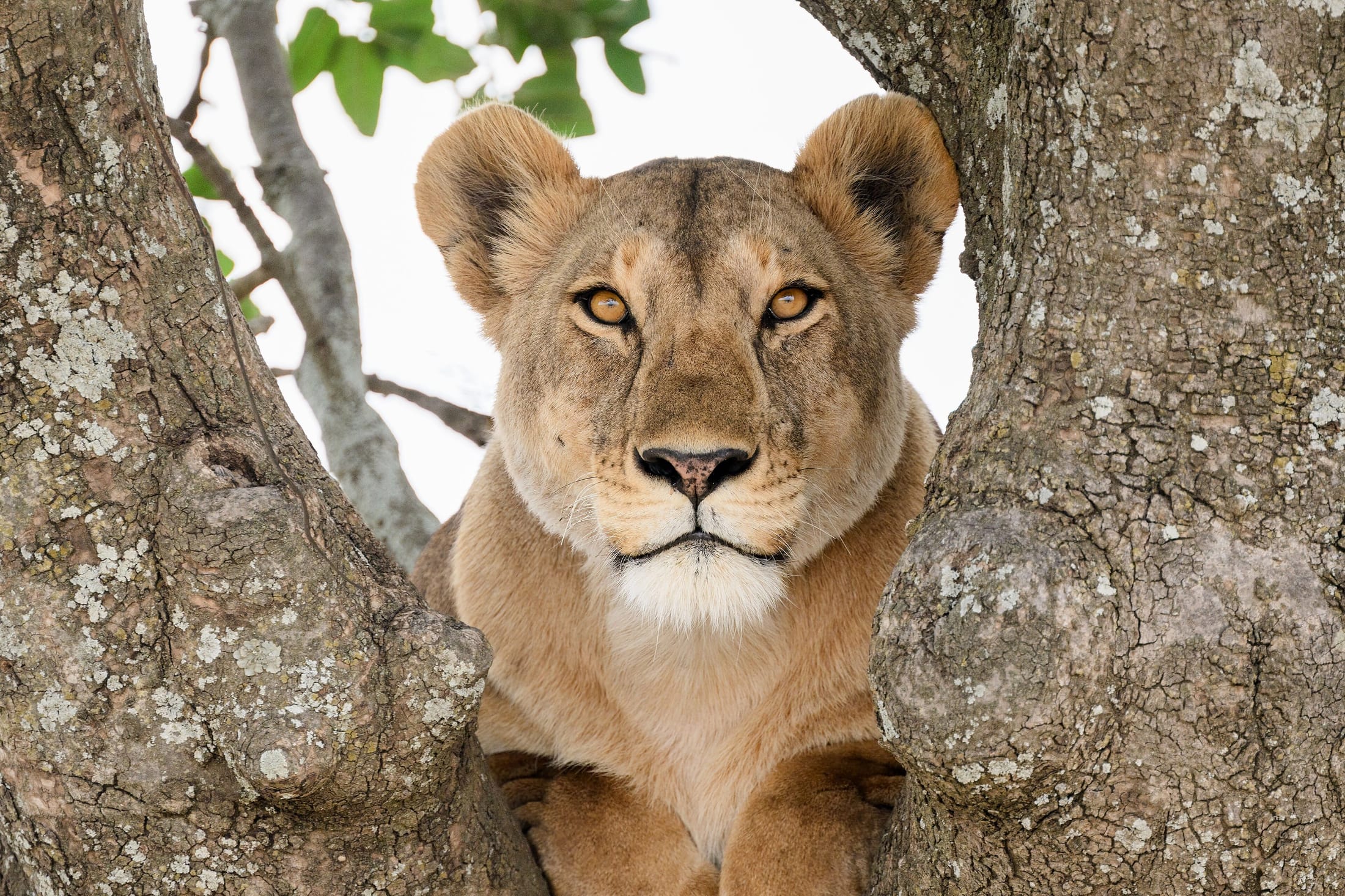
Photography safaris
Private vehicle, a guide who understands light, and no one asking to move on.
Planned around the moment, not the brochure
Beanbags, charging in the vehicle, early starts and late returns. Tell us what you shoot and we'll plan the sightings around it.
What to know
The vehicle and the light
A private vehicle is the one thing that matters most. You decide how long to wait at a sighting, and the guide positions the car for the light rather than for the next group. The best light is in the first and last two hours of the day, so we plan early starts and late returns, with the middle of the day for rest and editing.
What to bring
A zoom lens around 100 to 400 mm covers most wildlife; a wider lens catches landscapes and the vehicle in the scene. Bring more memory cards and batteries than you think, a cloth for the dust, and a bag that seals. We provide beanbags for the window frames and charging in the vehicle.
Remember the luggage limit on bush flights, usually 15 kg per person in a soft bag. Heavy camera kits may need an extra seat.
Where and when
The Serengeti in the calving season gives the most action, with predators hunting on open plains. Ndutu's lakes and the Ngorongoro Crater give dramatic backgrounds. The dry season, June to October, gives clear air and animals gathered at water. Ask us which suits what you shoot.
What guests ask
What lens do I need for a safari?
A zoom around 100 to 400 mm is the most useful. Add a wide angle for landscapes.
Can I get out of the vehicle to photograph?
Not in most national parks. Walking safaris in some areas give you ground level views with an armed ranger.
Is drone photography allowed?
Not without special permits in Tanzania's national parks, which are rarely given to visitors. Leave the drone at home for the safari.
Ready-made, adjustable
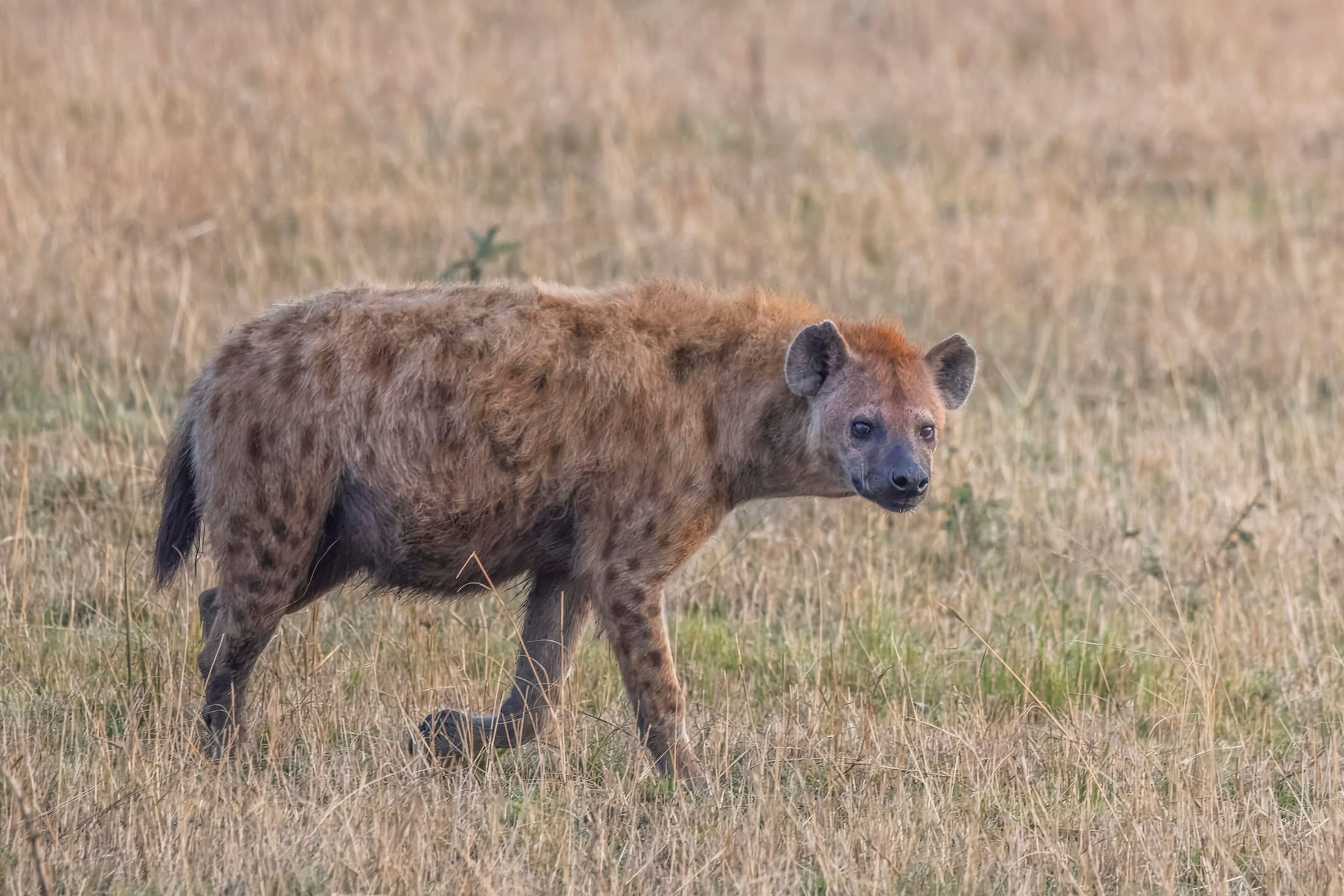
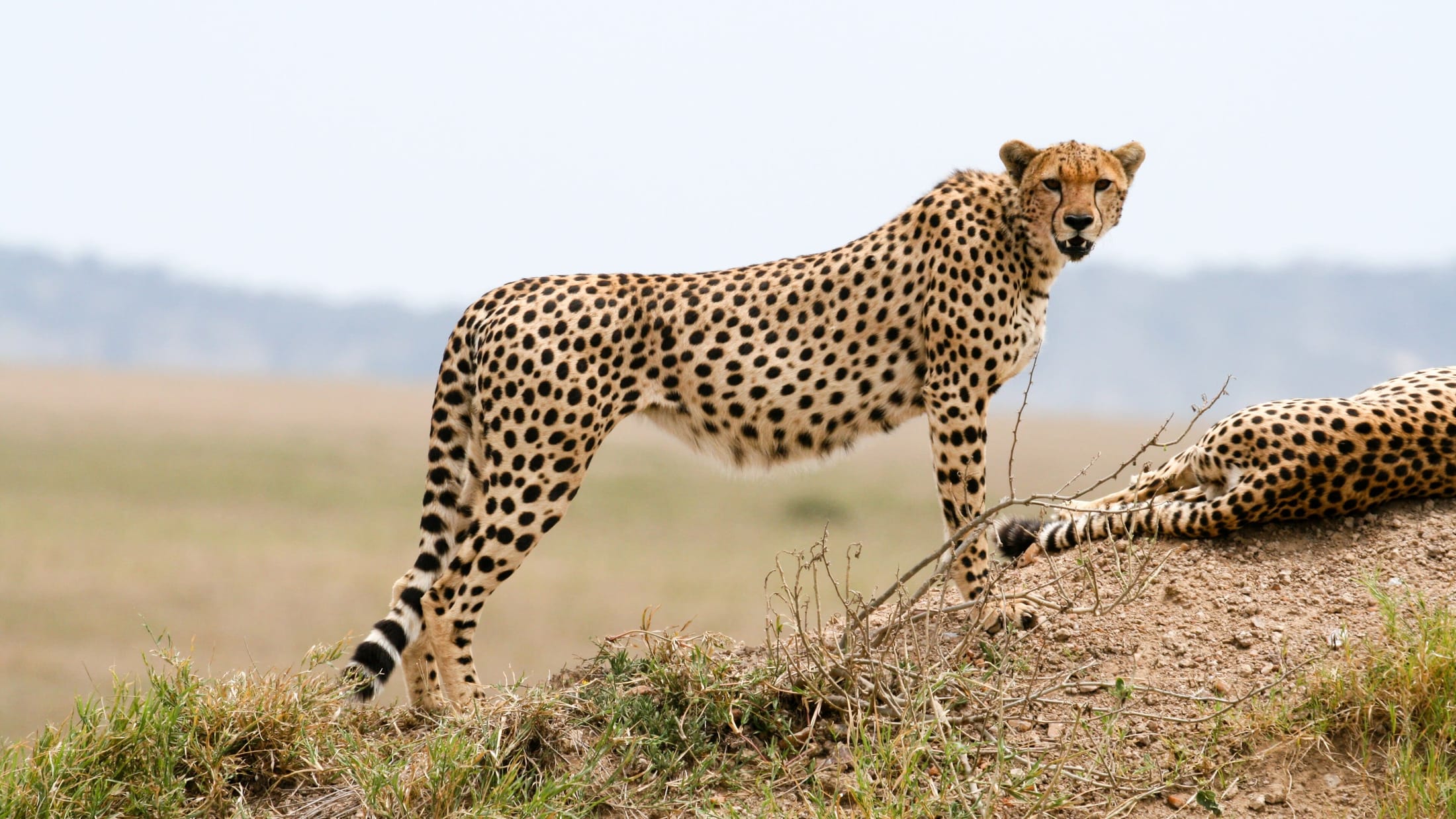
None of these quite fit? Tell us the one thing you want and we'll build around it.
We reply within 4 working hours. No deposit to ask.