
Kilimanjaro
The roof of Africa, walked in a week. Africa's highest mountain at 5,895 metres, climbed without ropes over six to nine days, then a beach to recover on.
The roof of Africa, walked in a week
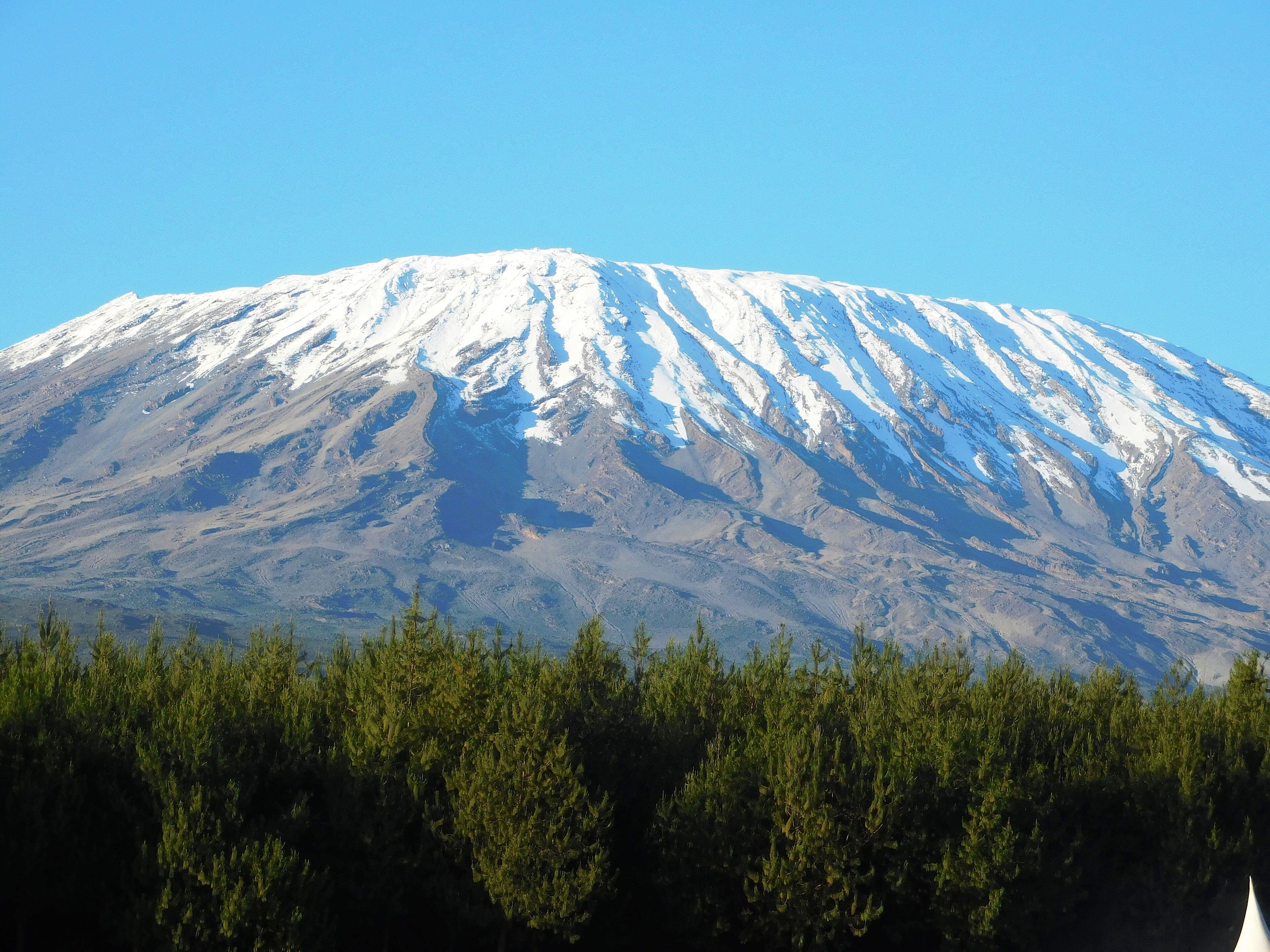
Kilimanjaro is the highest mountain in Africa and the highest free standing mountain in the world, rising from farmland at 1,800 metres to Uhuru Peak at 5,895. It is a walk, not a climb: no ropes, no technical ground, but five climate zones and a summit night that starts around midnight in the cold. What decides whether you reach the top is not fitness so much as time, because the body needs days to adjust to the thin air. Routes of seven and eight days have far higher success rates than the five and six day ones.
We run private climbs on the Machame, Lemosho and Marangu routes with certified guides and porters paid to the standards of the Kilimanjaro Porters Assistance Project. Most of our climbers fly in from Zanzibar and go back to the beach afterwards, which is the best recovery we know. Tell us your dates and how much walking you do, and we will suggest the route and the number of days honestly.
- Best months
- Jan to Mar and Jun to Oct
- Getting there
- Kilimanjaro International Airport, an hour from Moshi, with direct flights from Zanzibar
- How long
- Six to nine days on the mountain, plus a night either side
- What it costs
- Quoted per route and group. Ask and you will have a price within a working day.
Park fees make up a large part of any Kilimanjaro price, charged per person per day on the mountain, and they rise with the number of days. The rest is the crew and the food, and we do not cut either: a climb that is much cheaper than the market rate is paying its porters less. We quote per route and per group rather than publishing one number.
The reasons people come
- Uhuru Peak at 5,895 metres, reached at sunrise
- Five climate zones in one walk, from rainforest to glacier
- Machame and Lemosho, the scenic routes with the best acclimatisation
- Marangu, the only route with huts instead of tents
- A private crew: guide, assistant guides, cook and porters
- A beach in Zanzibar, one short flight later
Experiences here: Climbing Kilimanjaro.
- 1Kilimanjaro
What people ask about Kilimanjaro
Which route should I take?
For most people, Machame over seven days or Lemosho over eight. Both walk high and sleep low, which is what the body needs. Marangu is shorter and has huts, which sounds easier and is not: its five and six day versions have the lowest success rates on the mountain.
How fit do I need to be?
Fit enough to walk five to seven hours a day, several days running, with a light daypack. Regular hill walking in the months before is the best preparation. The summit night is the hard part for everyone, and it is altitude, not fitness, that decides it.
What about altitude sickness?
Everyone feels the altitude above 4,000 metres: headaches, poor sleep, no appetite. Our guides check every climber morning and evening and will turn you round if the signs go beyond that. Choosing an eight day route is the single best thing you can do about it.
Tell us your month and how many days you have, and we will say what Kilimanjaro can be.
We reply within 4 working hours. No deposit to ask.