
What a safari costs, and where the money goes
Why a week in the bush costs what it does: park fees, the vehicle, the lodges and the seasons, with the numbers we work from.

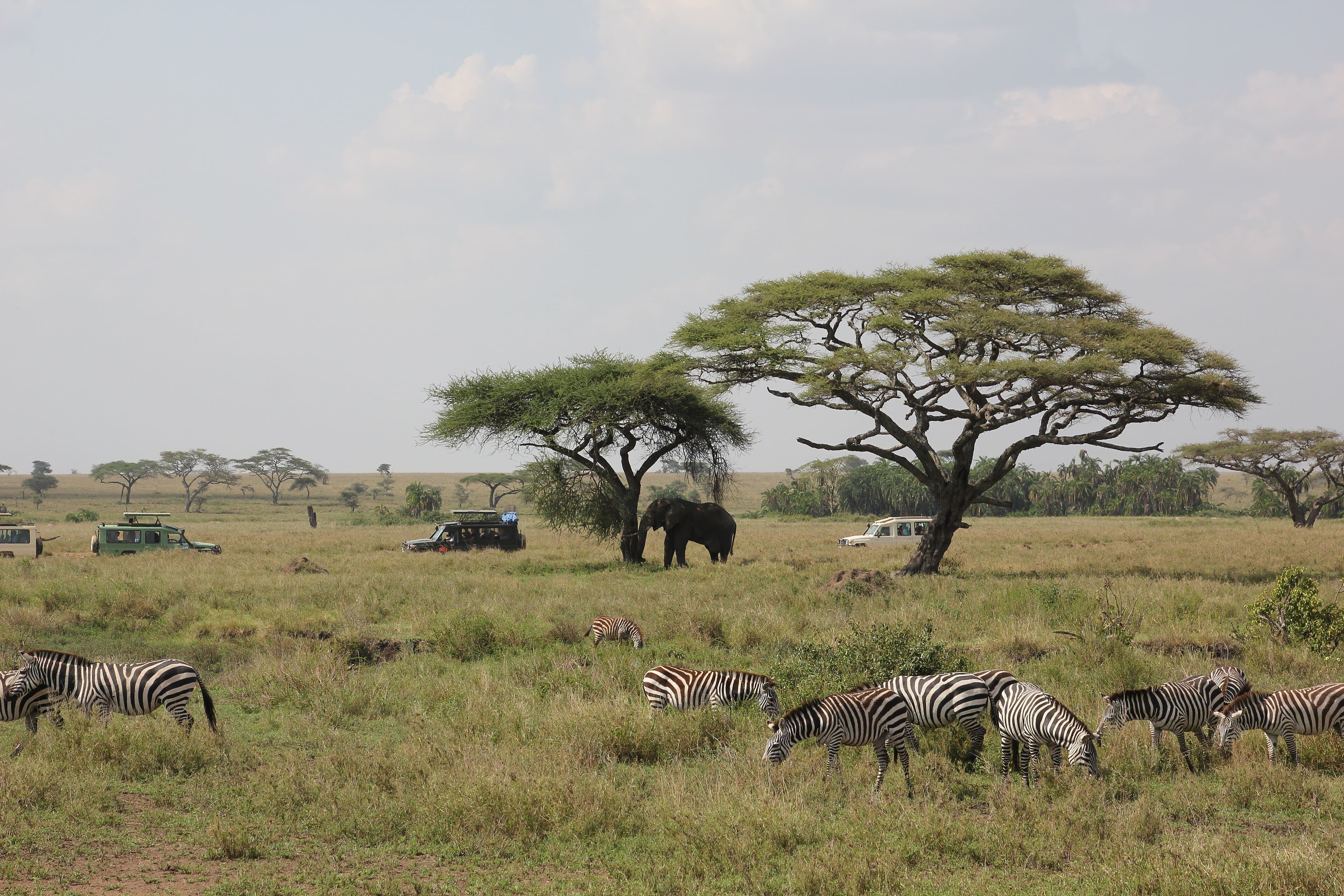
A safari looks expensive next to a beach week, and it is. Most of the reason is not the operator. Here is what a per person price on our site is made of, so you can judge it.
Park fees
Every day inside a national park carries an entry fee per person, and the Ngorongoro Crater adds a vehicle permit for the descent. Together they can be a fifth of a trip's price. They are fixed by the government, the same for every operator, and they fund the parks. Anyone quoting far below the market is usually leaving them out.
The vehicle and the guide
A safari Land Cruiser, its fuel across a thousand kilometres of rough road, and a licensed driver-guide for a week are a fixed cost per vehicle. That is why the price per person falls as the group grows: four people share what two people share. The tables on each trip show the figure for one to five travellers.
Lodges and seasons
Lodges are the biggest variable. A three-star tented camp and a five-star lodge on the same crater rim can differ by a factor of four. Seasons move all of them: July to October and the Christmas fortnight are peak, April and May are the green season with the lowest rates, the rest is in between. Our prices show the green season for the lodge tier named, and we quote your dates exactly.
Flights
A bush flight from the Serengeti to Arusha or Zanzibar saves a full day of driving and costs a few hundred dollars per person. On a short trip it is usually the best money spent.
What is not in the price
International flights, visas, insurance, drinks and tips. Tips are never mandatory; a guide is usually given thirty to fifty dollars a day per vehicle, and camp staff a little each. Ask us and we tell you what is customary, not what is expected.
Put it into a trip
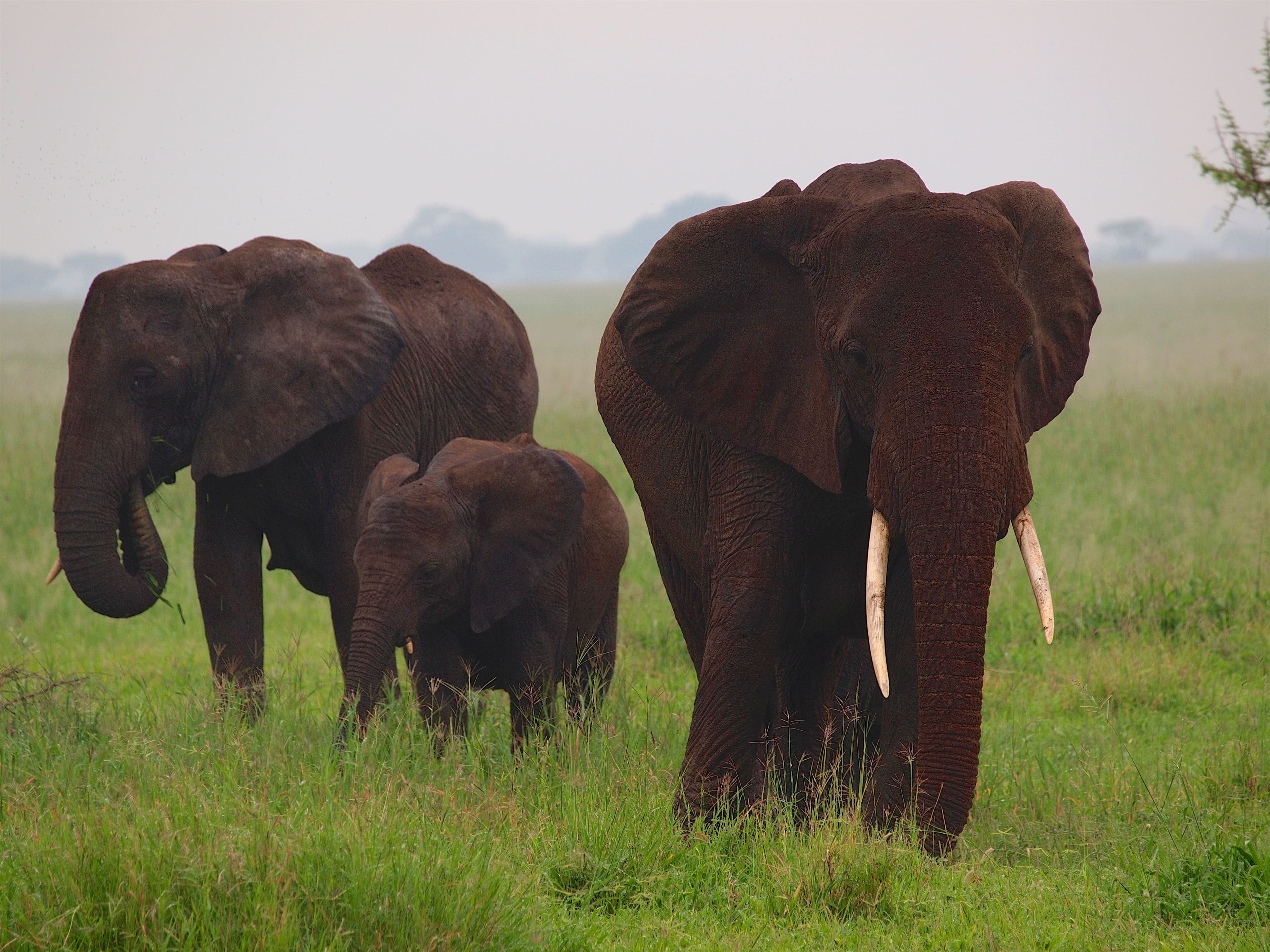
Quick safari: Tarangire & Lake Manyara
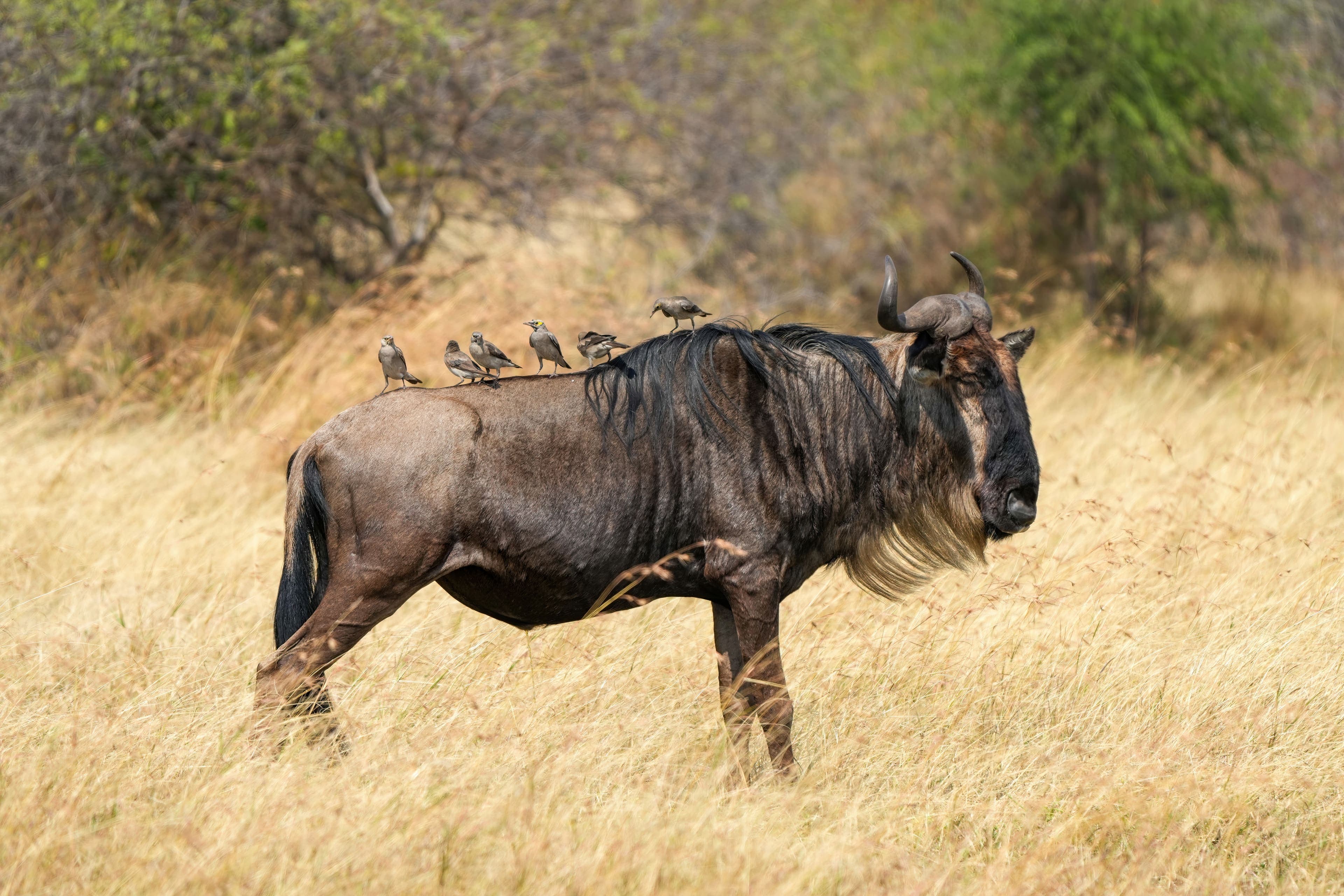
Tanzania essentials: Tarangire, Ngorongoro & Serengeti
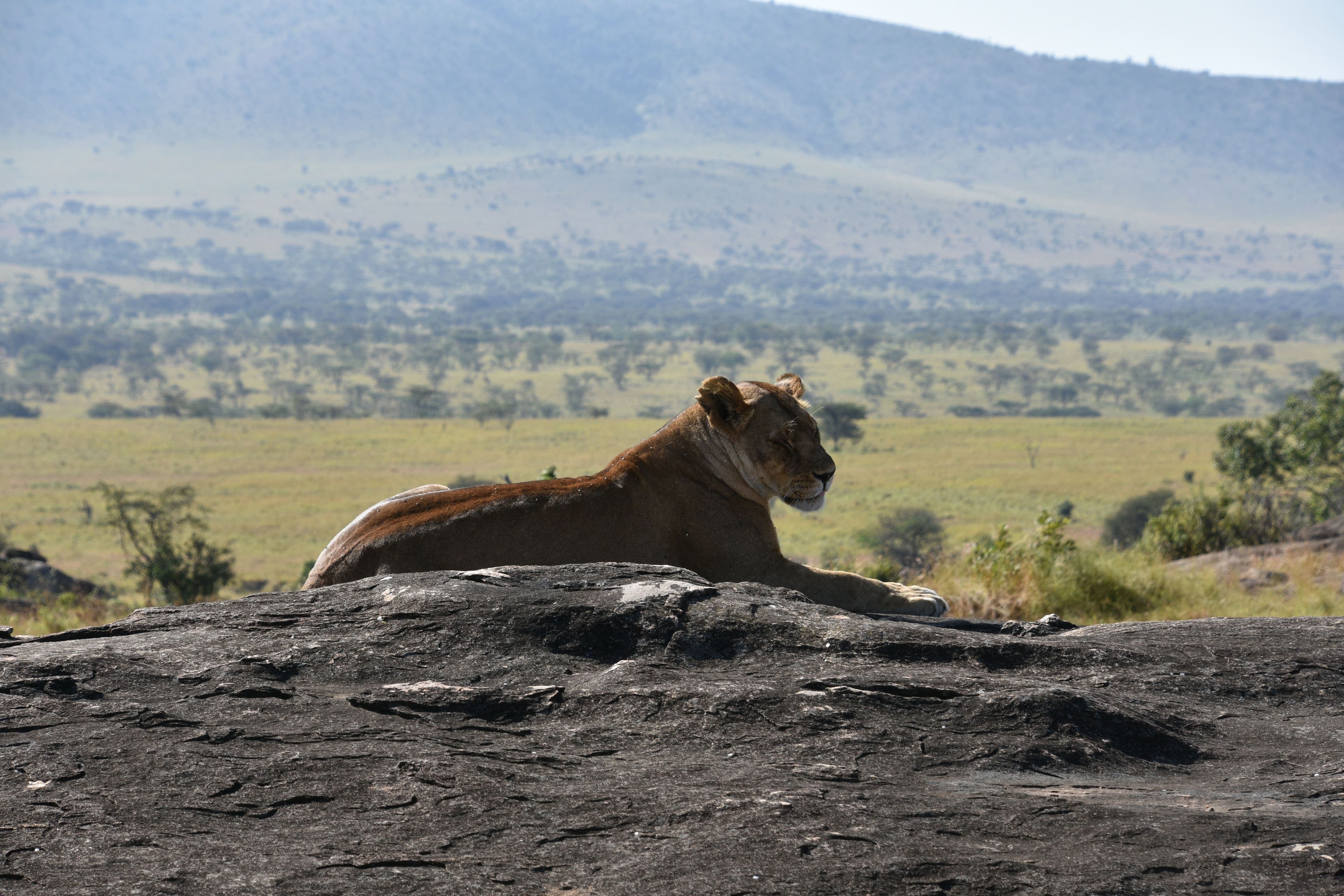
Classic northern circuit: Tarangire, Ngorongoro & Serengeti
Want this planned around your dates? Ask.
We reply within 4 working hours. No deposit to ask.